

Broadcasting
Climate Finance: The Urgency of Climate Action in Nigeria


By Grace Oluchi Mbah, Co-Founder and Executive Director, Climate Action Africa
Nigeria, Africa’s most populous nation, is facing a critical challenge: climate change. The country is highly vulnerable to the devastating impacts of a warming planet, including extreme weather events like floods and droughts, rising sea levels, and ecological disruptions. These changes threaten not only Nigeria’s environment but also its economic growth, social development, and overall well being.

There was a time when we could reasonably predict the weather in Nigeria. Rainy and dry seasons arrived at specific periods in the year, allowing for preparation, especially among rural farmers. By monitoring the seasons, farmers could cultivate crops and achieve bountiful harvests.
Nigeria’s rainy seasons have changed. Once a land of consistent rain, the country now experiences more intense downpours followed by longer dry periods. This disrupts agricultural production, leading to food insecurity. Floods caused by heavy rains destroy crops and infrastructure, displacing communities. Since September 2022, the worst floods in a decade have affected 3.2 million people across Nigeria, of whom an estimated 60 percent are children. Anambra, Bayelsa, Cross River, and Jigawa States have seen the highest numbers of displaced persons.
In Northern Nigeria, conflict may have continued to drive population displacement, disrupt livelihood activities, and restrict market access. However, the region’s suffering intensifies due to its particular vulnerability to droughts caused by rising temperatures and reduced rainfall. Lake Chad, a vital source of water for millions, is shrinking at an alarming rate. Since the 1960s, the lake has shrunk by around 90%. This recession of water is a result of both reduced precipitation induced by climate change and the development of modern irrigation systems for agriculture, alongside the increasing human demand for freshwater.
Coastal cities like Lagos face the risk of inundation due to rising sea levels. This saltwater intrusion contaminates freshwater sources and threatens coastal ecosystems. Erosion caused by rising sea levels destroys infrastructure and can displace populations. If global warming exceeds 2°C, Lagos State is predicted to see a 90cm rise in sea level by 2100.
Some other current climate change issues in Nigeria include frequent and intense heat waves, deforestation, overgrazing, and extreme weather events that contribute to land degradation. There is no doubt that Nigeria faces a real climate change challenge. It is imperative that the government and other stakeholders put in place mitigation and adaptation projects, such as developing renewable energy sources and reducing emissions, as well as adaptation efforts, including building resilient infrastructure and fostering community resilience, to curb climate change challenges in Nigeria.
A solution to Nigeria’s rising climate change challenge is climate finance. Climate finance refers to local, national and transnational financing that is drawn from public, private and alternative sources of financing that seeks to support mitigation and adaptation actions that will address climate change. Climate finance plays a critical role in empowering developing nations like Nigeria to combat climate change. It provides the much-needed resources to implement mitigation and adaptation strategies that safeguard the environment and bolster climate resilience.
While Nigeria has ambitious climate goals enshrined in its Nationally Determined Contributions (NDCs) – a pledge under the Paris Agreement to reduce greenhouse gas emissions – achieving them hinges on a crucial factor: climate finance.
Climate finance serves as a crucial instrument for Nigeria to confront its climate change challenges. It encompasses various funding sources, that includes, multilateral aid in form of grants and concessional loans provided by developed countries and international organizations. Investments from banks, insurers, and asset managers in climate-smart projects that emanate as private sector investment and carbon pricing mechanisms which are revenue generated from carbon taxes or emissions trading schemes.
By effectively deploying climate finance, Nigeria can invest in renewable energy sources like solar and wind power which can lessen reliance on fossil fuels and reduce greenhouse gas emissions. Funds can be directed towards strengthening infrastructure to withstand extreme weather events, developing climate-resistant crop varieties, and improving early warning systems. Support for the adoption of sustainable agricultural practices that enhance food security and reduce deforestation can also be achieved.
The Funding Gap and the Urgency for Action
Nigeria’s current climate finance scenario paints a concerning picture. Estimates suggest the country receives around $1.9 billion annually, a far cry from the estimated $17.7 billion required to meet its NDC targets by 2030. This significant funding gap translates to a lack of resources for crucial climate action initiatives.
The consequences of inaction are dire. Studies by the Department for International Development (DFID) indicate that climate change could cost Nigeria between 6% and 30% of its GDP by 2050. This economic strain, coupled with environmental degradation and social upheaval, could significantly destabilize the nation.
Bridging the climate finance gap necessitates a multi-pronged approach involving various stakeholders:
Public Sector: The Nigerian government must prioritize climate finance allocation within its budget. Innovative mechanisms like carbon taxes and green bonds can be explored to generate additional revenue for climate projects.
Private Sector: The private sector has a vital role to play. Banks and financial institutions need to develop financial products that incentivize investments in low-carbon and climate-resilient technologies. Additionally, corporations should factor climate risk into their decision-making processes and invest in sustainable practices.
International Community: Developed nations have a responsibility to support developing countries like Nigeria in their climate efforts. Fulfilling pledges made under international agreements like the Green Climate Fund is crucial.
Despite the challenges, there are positive developments on the Nigerian climate finance landscape. In November 2021, The Climate Change bill was signed into law by President Buhari in order to provide Nigeria with a legal framework for climate action, fostering transparency and accountability in climate finance management. Nigeria also issued sovereign green bonds to finance renewable energy projects, demonstrating a commitment to sustainable development.
Nigeria’s climate action journey will require sustained efforts and strategic partnerships. Some key areas for focus are:
Enhancing Transparency and Accountability: Clear reporting mechanisms and robust governance structures are essential to ensure that climate funds are used effectively and efficiently.
Capacity Building: Building domestic expertise in climate finance management is crucial. Training programs and knowledge-sharing initiatives can equip stakeholders with the necessary skills to navigate the complexities of climate finance.
Unlocking Private Sector Investment: Creating an attractive environment for private sector investment in climate solutions, through policy incentives and de-risking mechanisms, is essential.
Climate change is an existential threat to Nigeria, but it also presents an opportunity for transformation. By mobilizing adequate climate finance, Nigeria can build a low-carbon and climate-resilient future. This will require a collective effort from the government, private sector, and international community. With decisive action and innovative solutions, Nigeria can not only safeguard its environment but also secure a sustainable and prosperous future for its citizens


Broadcasting
DG NCC Tasks University Dons on Research Commercialization, IP Management to Build Global Competitive Ecosystems

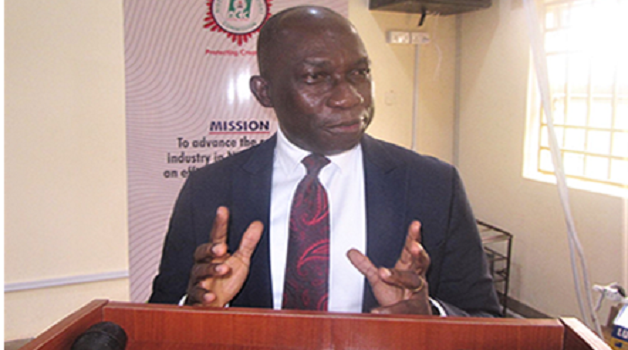
Dr. John Asein, director-general, Nigerian Copyright Commission (NCC), has charged universities to leverage Intellectual Property (IP), innovation management and research commercialisation to build vibrant, sustainable and globally competitive ecosystems.

The DG stated this while delivering a paper on: ‘’Research Commercialisation, IP Policy and Innovation Management’’ at the Committee of Vice-Chancellors of Nigerian Universities (CVCNU) organised Business Clinic themed: Unlocking University-Driven Business Ecosystems: Innovation, Partnerships and Sustainable Enterprise Models in Abuja.
The programme was targeted at engaging Vice-Chancellors, principal officers and other key officers in Nigerian Universities in a practical dialogue on how to transit their institutions into thriving business ecosystems through innovation, enterprise development and strategic partnerships.
In his presentation, Dr. Asein, disclosed that Universities are now recognised as engines of national development and innovation hubs that must connect scholarship to business.
He noted that with over 300 Universities in Nigeria, there is need for structured pathways to turn ideas into commercial outcomes while attention should be focused on IP assets in our universities in order to harness them in a safe, sustainable and satisfactory manner.
The DG NCC speaking further on leveraging resources from the creativity locked up within the university system, harped on the need to harness the soft power of our youth as Nigeria’s most valuable natural resources are its people.
Drawing demography from Nigeria youthful population, he observed that over 70 percent of Nigerians who are under the age of 30 are mostly in the university system studying. These youths, he noted, shape cultures, technology and innovation through creativity and digital skills.
He tasked universities to become innovation factories where young people can explore ideas, protect their IP and grow startups by integrating innovation culture, entrepreneurship training and IP awareness into its learning environment.
He equally urged Universities to look beyond the sciences to commercialize traditional knowledge-based innovations and harness the potentials in the creative arts disciplines like music, visual arts, theatre arts and others for commercial outcomes.
Dr. Asein, recommended that universities as centres of learning, should take the lead in using the IP system for promoting education and learning, wealth creation, revenue generation and institutional development.
Underscoring the need for all universities to have an IP Policy, he noted that the Model developed by the Nigerian Copyright Commission in partnership with the CVCNU is a good starting point.
The Secretary-General, CVCNU, Prof. Andrew Haruna, presented the welcome address at the event while the Director, Technology Innovation and Commercialisation, NOTAP, Mrs. Adah H.N. Mokolo-Oladunke represented the Director-General, NOTAP at the event.
The 2025 CVCNU Business Clinic witnessed attendance from representatives of Public and Private Universities across the 36 States in Nigeria.


Drone
The US Department of Homeland Security (DHS) will invest $115 million in counter-drone technology to safeguard the 2026 FIFA World Cup and events marking America’s 250th independence anniversary, creating a dedicated office for rapid drone system deployment.
Homeland Security Secretary Kristi Noem described drones as “the new frontier of American air superiority,” stressing the need to counter threats from drug cartels using unmanned aircraft for smuggling and surveillance, alongside incidents like a 2025 NFL stadium drone flight and 2024 New Jersey sightings.
The funding supports 11 World Cup host cities expecting over one million visitors, building on FEMA’s $250 million grants to those states and addressing risks heightened by cartels’ advancing tech, including a reported FBI tracking plot in Mexico.
DHS has conducted over 1,500 counter-drone missions since 2018, with the new Program Executive Office accelerating acquisitions amid President Trump’s border security push.
Broadcasting
Youth Talent Takes Center Stage as T2 Ignites High-Octane Rap Battles @ Carnival Calabar

The energy at the Carnival Calabar Music Concert reached a new high as T2 introduced a first-ever rap battle platform, giving young Nigerians an electrifying stage to showcase their talent, creativity, and self-expression while competing for exciting prizes.

Held at the U.J. Esuene Stadium, the activation blended pulsating music, vibrant culture, and youthful energy into a dynamic celebration that kept thousands of carnival-goers fully engaged from start to finish.
Eight fearless contestants stepped into the spotlight, going bar for bar in an intense lyrical showdown. Rappers fused local languages, pidgin, and sharp punchlines, creatively weaving the T2 brand into their verses.
Anchored by the energetic hosting duo MC Double I and MC Princess, the rap battles thrilled over 16,000 attendees, including the Governor of Cross River State, Senator Bassey Otu, delivering an unforgettable showcase of youth talent and cultural expression.
With prizes including fridges, gas cookers, sound systems, and airtime top-ups, the competition remained fierce throughout the night. After two high-energy rounds narrowed the field to a five-man final duel, Emmanuel Eye emerged as the overall winner, taking home the grand prize — a fridge.
“I never expected this at all,” Emmanuel said. “I came to the concert like anyone else, and hearing about the T2 rap battle was a surprise. When I got the chance to perform, I just went for it. Being named the overall winner is amazing, and I’m grateful to T2 for creating this platform to showcase our talent.”
Beyond the stage performances, T2’s presence added a digital layer to the carnival experience. As part of its role as Digital Technology Partner of Carnival Calabar, the brand introduced the MyT2 App as a lifestyle companion, while also enabling line reactivations, airtime top-ups, and instant rewards for hundreds of attendees, blending technology seamlessly into the live celebration.
Commenting on the activation, Chinelo Manefo, Specialist, Events and Sponsorship at T2, said:
“The energy from both the rappers and the crowd was incredible. This platform reflects exactly what T2 aims to create — a celebration of youth, creativity, and culture, enhanced by technology that connects people and experiences. Seeing the audience so immersed shows how music and performance can empower the next generation.”
The Carnival Calabar Music Concert, headlined by Tiwa Savage, Timaya, and top local performers, was further energized by T2’s interactive rap battle platform. By blending music, culture, youth expression, and digital innovation, T2 reinforced its commitment to championing Nigeria’s next generation, giving young creatives a stage to shine while enriching how they experience the festival.

PalmPay User Shares Experience on Fintech Apps to Trust in Nigeria

Stakeholders Demand Stronger Governance and Infrastructure to Drive Tech Adoption @ Lagos AI Summit

Nigerians Target Self-Improvement, Business Startups in 2026 Google Data

35 Million Nigerians Face Acute Hunger in 2026, UN Warns

How Inside Jobs and Policy Shocks Trigger Nigeria’s Rising Loan Crisis

Banks quietly move to enforce new ₦50 transfer levy from Jan. 1

Jumia CEO says Black Friday Signals Nigeria’s E-Commerce Maturity

Galaxy Backbone Celebrates the Federal Government’s Paperless Civil Service Milestone

19 Nigerian Banks Meet CBN Recapitalization Targets Ahead of March Deadline

DStv Offers Instant Package Upgrade for Customers from January to February




 E-Financial2 days ago
Zenith Bank Gets Regulatory Approval for Full Takeover of Paramount Bank

 Telecom2 days ago
MTN Nigeria Suffers 9,218 Fibre Cuts in 2025 as Vandalism, Theft Cripple Network

 E-Business2 days ago
Firm Detected a Fivefold Surge in QR Code Phishing Attacks in the Second Half of 2025

 Telecom2 days ago
New Investment Fund Targets Acceleration of Emerging Technology in Nigeria

 News2 days ago
NITDA Commits to Digital Inclusion for Persons with Disabilities

 Telecom2 days ago
NCC Licences Six New ISPs to Challenge Telcos, Satellite Giants

 E-Financial2 days ago
FCCPC Delists Non-Compliant Digital Lenders Post-January 5 Deadline

 E-Business2 days ago
JustMarkets Unveils Top 5 Trading Assets for 2026 Profits